2026-09-04 · 9 min
Why is my landing page bounce rate so high?
A bounce above 70% on an Australian landing page is usually speed, mobile layout, or a first screen that does not match the ad. What to measure in GA4 and how to fix it.
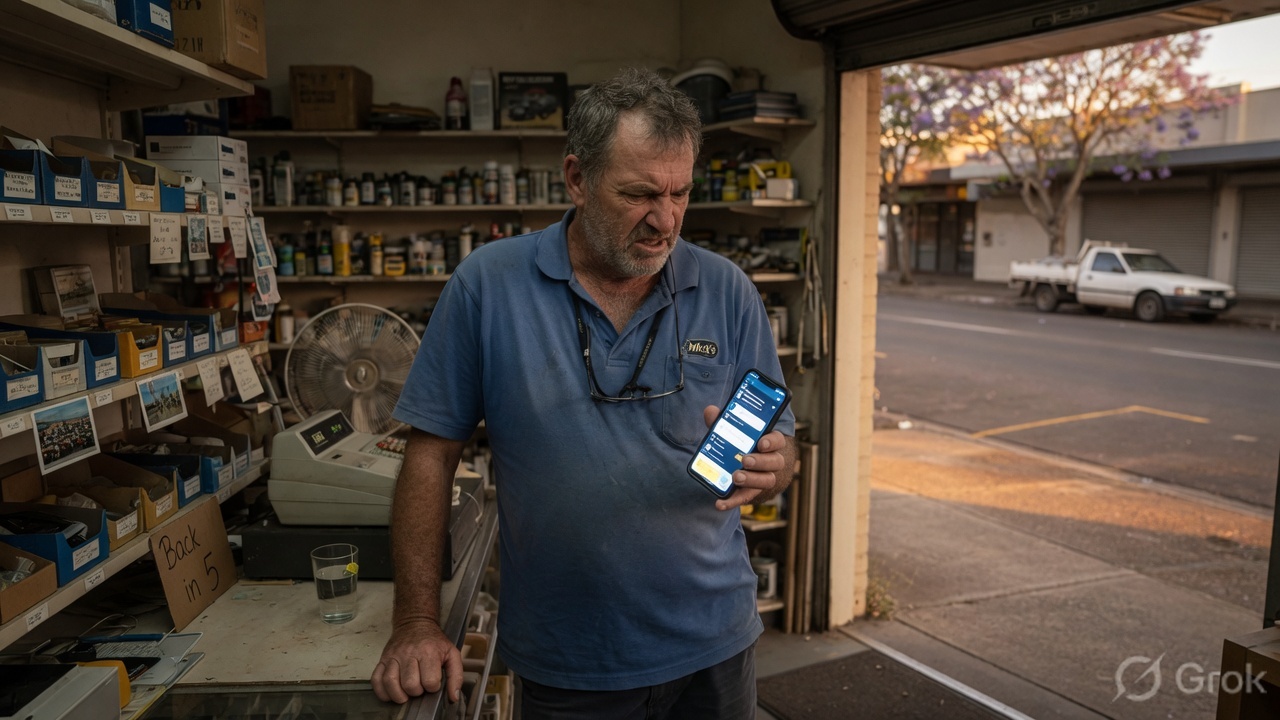
Here is the uncomfortable version: a high bounce rate usually means the page failed in the first three seconds, not that “people do not like our brand.”
Australian agencies writing in 2026 still treat 40–60% bounce as a working range for landing pages, below 40% as strong, and above 70% as a reason to investigate (roi.com.au). Independent 2026 bounce research puts the cross-industry median near 47%, with pages that take more than three seconds bouncing 38% more than pages under one second.
If you are a small Australian service business, that is the frame. You are not competing with a bank homepage.
What “bounce” actually means now
In Universal Analytics a bounce was a single-page session. In GA4 the closer cousin is a session that is not engaged (under 10 seconds, no conversion, no second page). Australian GA4 service-site samples published in 2026 show average engagement around 49% and session duration around 2.6 minutes. If your landing page is well below that, something on the first screen is wrong.
Track phone clicks. A tradie who taps 1800 and hangs up the browser looks like a bounce unless you fire an event on the tel: link.
The five causes we see on Australian SME pages
- Slow on mobile data. Open PageSpeed Insights on the real URL. If mobile is in the red, compress images and kill unused plugins before you rewrite copy.
- The ad promised one thing; the page says another. “Emergency plumber Parramatta” should not land on a generic “Welcome to our journey” hero.
- The first screen has no next step. One button. One form. One phone number that is actually clickable.
- The form is broken or asks for a life story. Name, suburb, what you need. That is enough.
- Stock photos and walls of text. People bounce because they do not believe you exist.
A 30-minute audit
- Compare bounce / engagement by device and by source (Google Ads vs Google Business vs organic).
- Record the page on a mid-range Android on 4G, not office Wi-Fi.
- Read the H1 out loud. If you cannot say who you help and what to do next, rewrite it.
- Submit the form yourself. If the email never arrives, that is your bounce.
Related: Is your website costing you customers? · Why your website is slow
If you want this scoped without assembling a stack yourself, start here or call 1800 953 243.
FAQs
Why is my landing page bounce rate so high?
The visitor arrived, saw a slow or confusing first screen, and left. Typical causes: mobile load over three seconds, the headline does not match the ad, the form is broken, or there is no single next step. Australian SME pages in the 40–60% bounce band are often healthy; above 70% you should investigate.
What bounce rate is “good” in 2026?
Context beats a magic number. Many Australian agencies treat 40–60% as a working range for landing pages. Below 40% is strong. Above 70% is a problem until you prove otherwise. In GA4, also watch engagement rate — Australian service-site averages sit near 49%.
Does a high bounce always mean the page is bad?
No. A phone-number click can look like a bounce if you do not track tel: links. A blog reader who got the answer and left is a success. Segment by landing page, device and source before you rebuild.
What should I fix first?
Mobile speed, then message match with the ad or Google listing, then one obvious call to action and a form that emails you. Do not raise Google Ads budget on a page that already leaks.
Can Tech Aid fix this without a full rebuild?
Usually yes. Monthly digital support ($350/mo, 10 hours) covers copy, images, hours and small layout fixes. A locked website package is $2,000 if the page is not salvageable. Extra approved work is $150/hr.